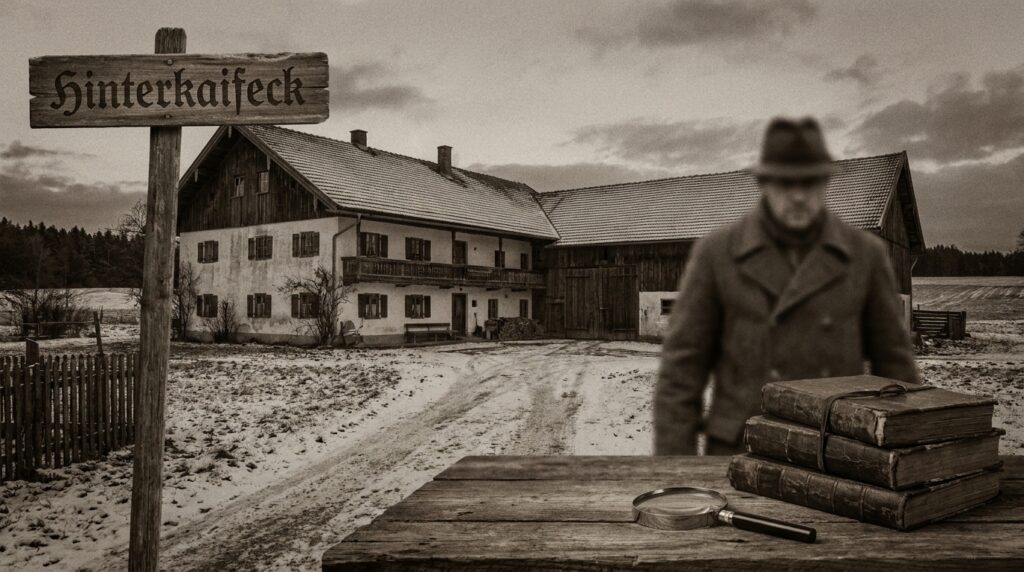
The Hinterkaifeck Enigma: Analyzing the Spatial Layout and Timelines of a Historic Cold Case

In the annals of European criminology, few unsolved homicides possess the chilling spatial configuration and behavioral anomalies of the Hinterkaifeck murders. On April 4, 1922, neighbors traveled to an isolated homestead located roughly 43 miles north of Munich, Germany, to investigate the sudden disappearance of the Gruber-Aschofer family. What they discovered inside the farmstead sent … Read more

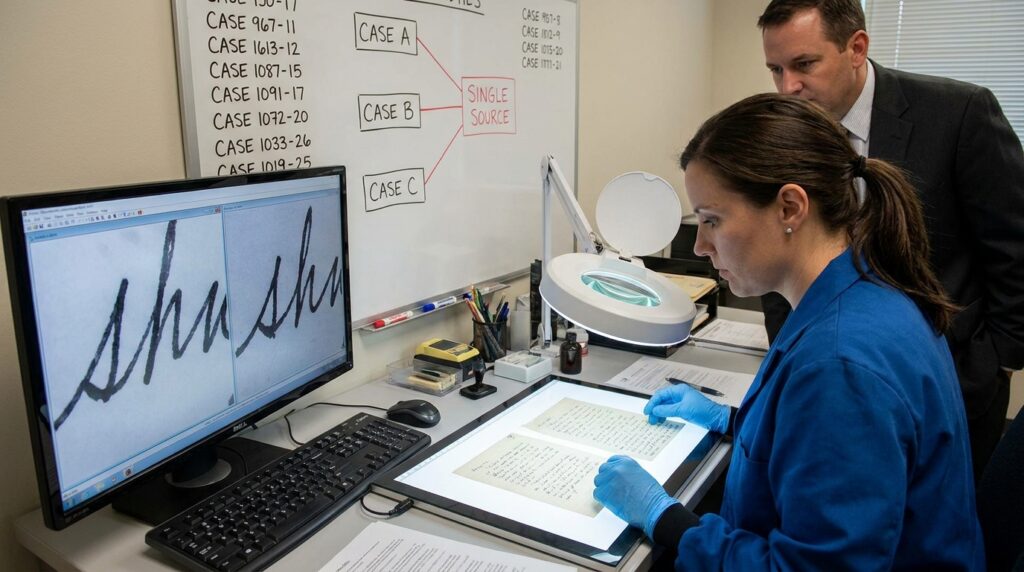
The Tamám Shud Mystery: Reviewing the Cryptographic and Medical Anomalies of the Somerton Man

On the morning of December 1, 1948, a routine patrol along the shore of Somerton Beach in Adelaide, Australia, revealed the body of an unidentified man resting against a seawall. He appeared completely relaxed, with an unlit cigarette resting on his collar. He was in peak physical condition, impeccably dressed in a tailored suit and … Read more

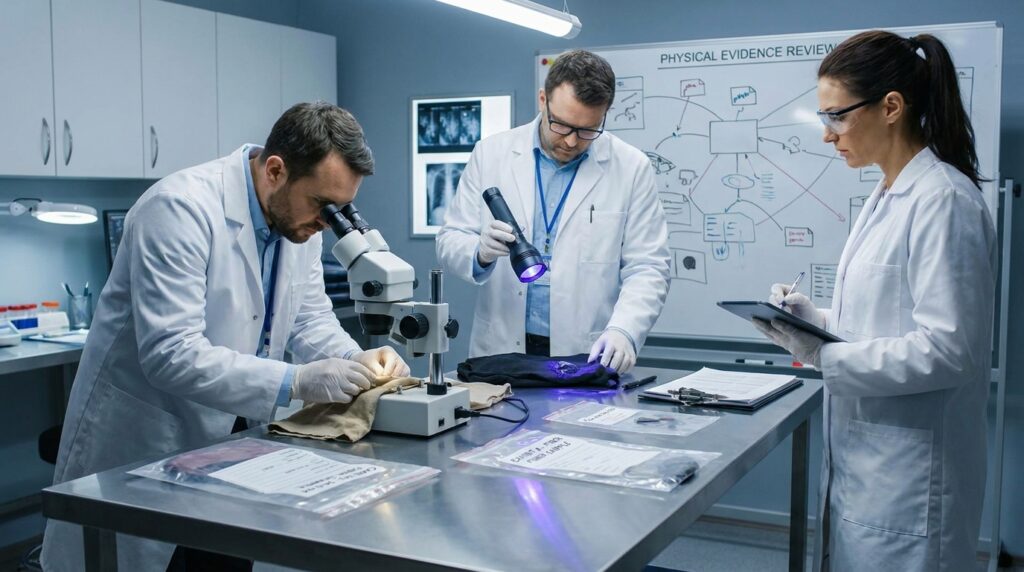
The Lead Masks Case of Vintém Hill: A Rigorous Evaluation of the Physical Evidence

On August 20, 1966, a young man flying a kite on Vintém Hill in Niterói, Brazil, stumbled upon a scene that would spark one of the most perplexing forensic investigations in South American history. Lying side-by-side in the dense undergrowth were the bodies of two men, later identified as electronic technicians Miguel José Viana and … Read more

Phantom Voices: The Technology and Logic Behind Modern Audio Forensic Restoration

In the investigation of violent crimes and complex cold cases, audio recordings are often the most visceral pieces of evidence available. A panicked emergency call, a conversation recorded covertly on a mobile device, a piece of background audio captured by an apartment building security system, or a ransom message can immediately alter the direction of … Read more

The Microscopic Witness: Utilizing Forensic Palynology to Locate Crime Scenes

When a criminal investigation goes cold, the primary barrier to resolution is frequently a lack of spatial context. A vehicle may be abandoned on a city street, a piece of clothing found in a dumpster, or a illicit package intercepted at a border checkpoint—yet investigators are left completely blind as to where those physical objects … Read more

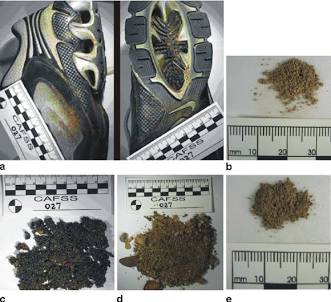
Reading the Soil: How Forensic Geology Maps Crime Scene Trajectories via Mud and Dust

In the collective imagination of true crime and criminal investigation, trace evidence usually invokes thoughts of fibers, microscopic hairs, or invisible fingerprints. Yet, one of the most structurally sound, naturally diverse, and legally unshakeable forms of physical evidence sits completely exposed beneath our feet. Soil is the ultimate geographic diary. It is an incredibly complex, … Read more

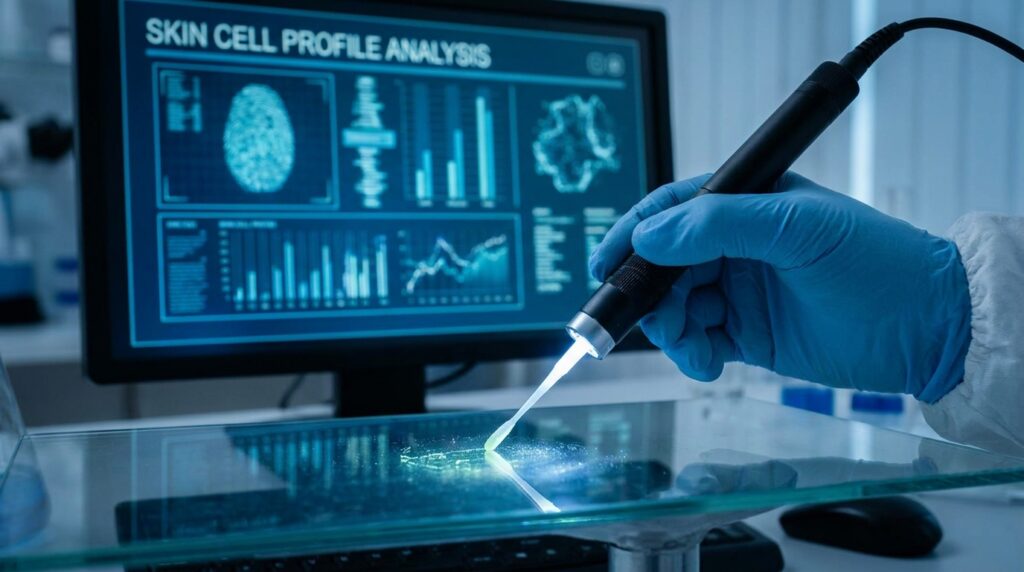
The Touch DNA Revolution: Extracting Profiles from Invisible Skin Cell Deposits

For decades, the presence of biological evidence at a crime scene was measured by what could be clearly seen with the naked eye. Investigators scoured surfaces for distinct, visible stains of body fluids—primarily blood, saliva, or semen. If an offender was careful enough not to bleed or leave behind clear fluid traces, the physical linkage … Read more

Reconstructing the Midnight Window: The Forensic Accounting of Sleep and Activity Data

In the lexicon of criminal defense, few phrases are as ubiquitous or as difficult to challenge as the midnight alibi. When a violent crime occurs in the dead of night, suspects routinely claim they were safely insulated inside their homes, fast asleep until morning. Historically, unless a witness stepped forward to dispute this claim or … Read more

The Chronological Intersection: Mapping the Overlap of Suspect and Victim Digital Trails

In historical criminal investigations, establishing that a suspect and a victim were in the exact same physical space at the exact same time was one of the most frustrating hurdles a prosecution could face. Unless an independent eyewitness stepped forward or a security camera captured both individuals in a single, well-lit frame, the defense could … Read more

Shattered Alibis: How Digital Toll Tunnels and Smart Car Logs Anchor Suspect Movements

For generations of criminal investigators, verifying a suspect’s alibi was a complex exercise in human verification. Detectives had to interview witnesses, cross-reference gas station receipts, and analyze blurry, far-away surveillance footage. If a suspect claimed they were asleep in their own bed fifty miles away during a crime, and had a family member willing to … Read more