
Why Statistical Crime Analysis Tools Struggle With Child Abduction Cases
Crime Script Analysis and Behaviour Sequence Analysis are two of the most widely used statistical frameworks in modern criminal investigation, […]
Crime Script Analysis and Behaviour Sequence Analysis are two of the most widely used statistical frameworks in modern criminal investigation, […]
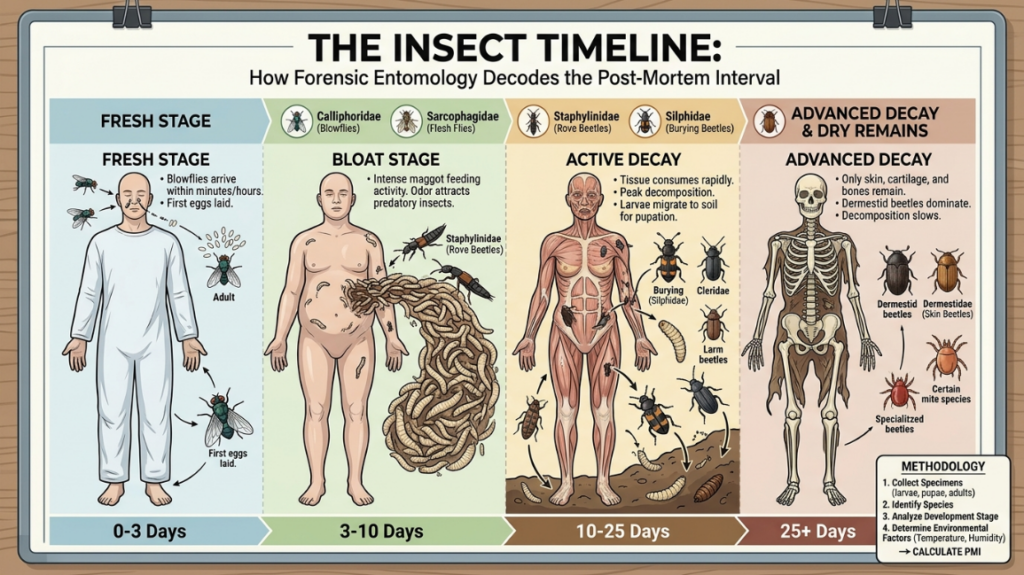
The first recorded case of insects solving a murder didn’t happen in a modern crime lab. It happened in 13th-century

This source is excellent, five real cases spanning six decades, but there’s a scope problem worth flagging before I draft:

When investigating a series of connected offenses, standard police procedures usually focus on the who and the how—identifying suspects via
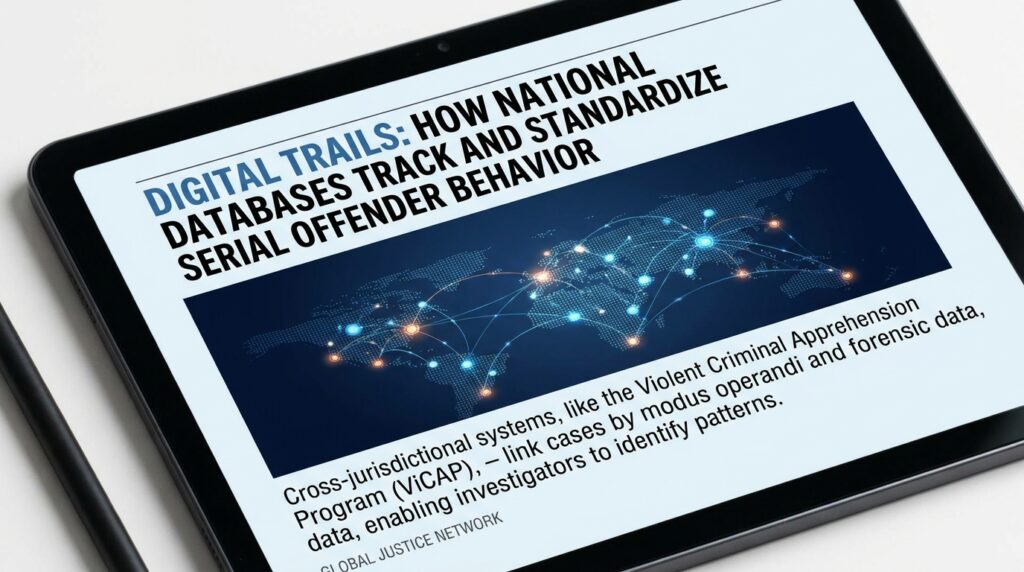
In 1985, the FBI activated a database built on an idea that seems obvious now but wasn’t standard practice at
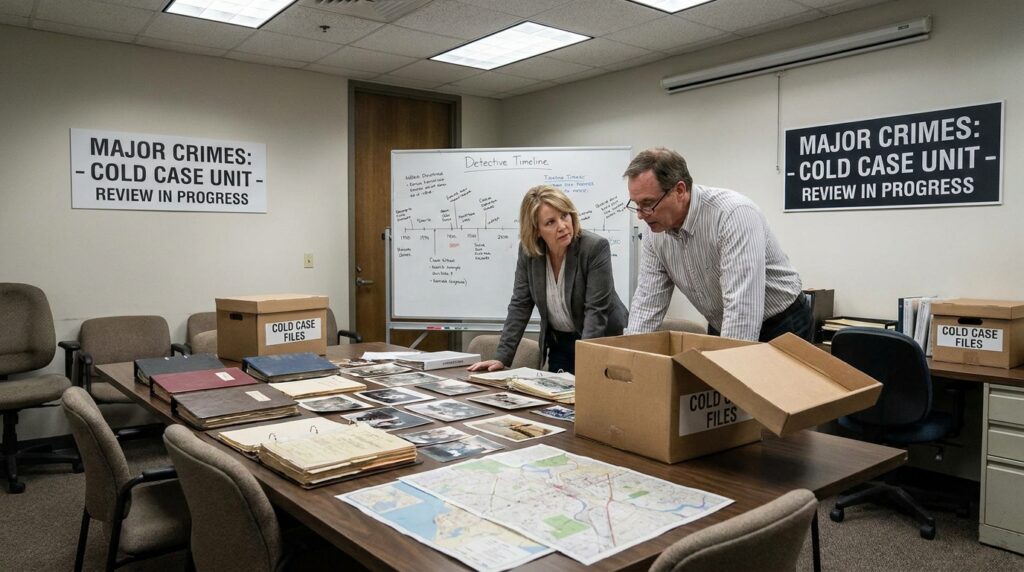
When a homicide investigation goes cold, the passage of time is traditionally viewed as the primary adversary. Files gather dust,
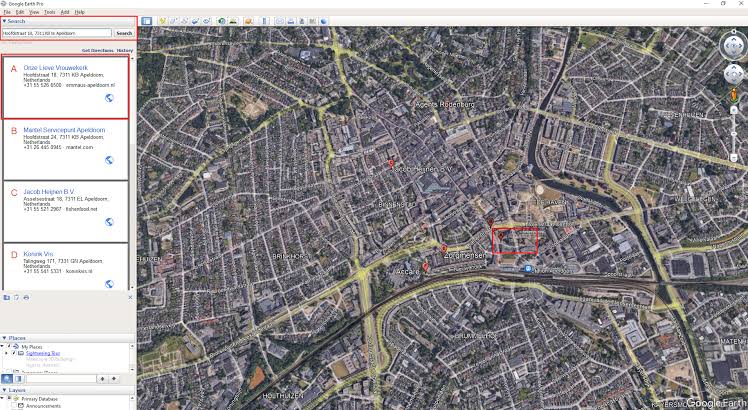
In the contemporary landscape of digital investigations, fugitive tracking, and cold case verification, the primary challenge facing analysts is frequently
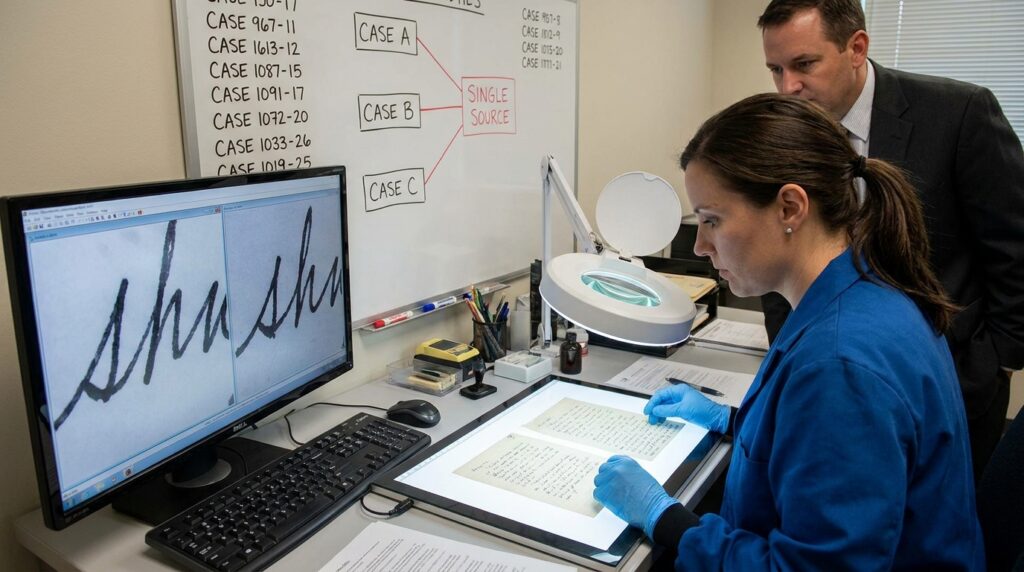
When a series of violent offenses occurs across different geographic jurisdictions, the immediate operational challenge for law enforcement is not

When tracking a serial offender, traditional criminal profiles tend to focus almost exclusively on the who and the why. Behavioral