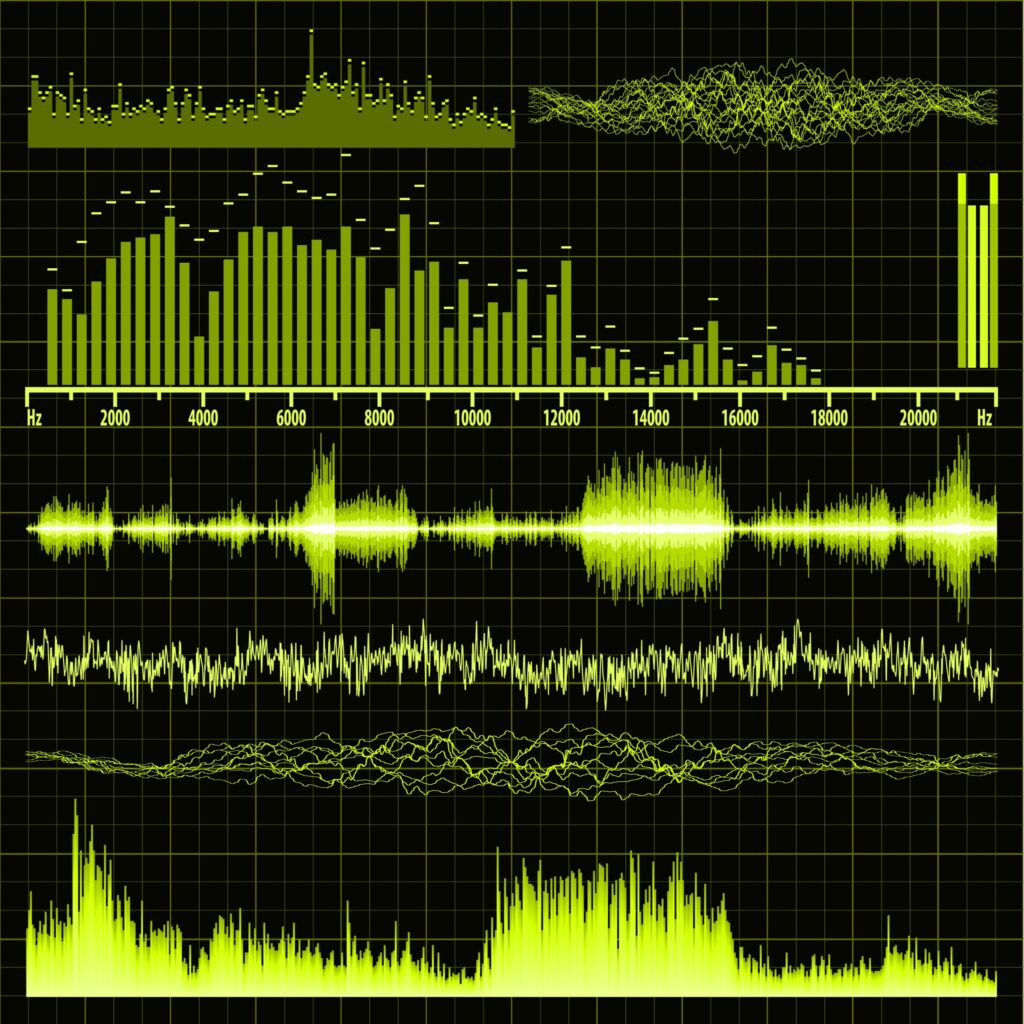
Phantom Voices: The Technology and Logic Behind Modern Audio Forensic Restoration

In the investigation of violent crimes and complex cold cases, audio recordings are often the most visceral pieces of evidence available. A panicked emergency call, a conversation recorded covertly on a mobile device, a piece of background audio captured by an apartment building security system, or a ransom message can immediately alter the direction of … Read more
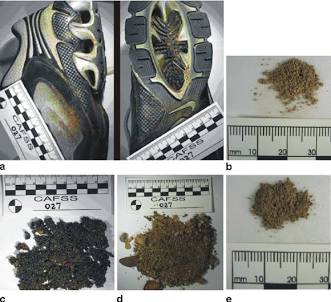
The Microscopic Witness: Utilizing Forensic Palynology to Locate Crime Scenes

When a criminal investigation goes cold, the primary barrier to resolution is frequently a lack of spatial context. A vehicle may be abandoned on a city street, a piece of clothing found in a dumpster, or a illicit package intercepted at a border checkpoint—yet investigators are left completely blind as to where those physical objects … Read more

Reading the Soil: How Forensic Geology Maps Crime Scene Trajectories via Mud and Dust

In the collective imagination of true crime and criminal investigation, trace evidence usually invokes thoughts of fibers, microscopic hairs, or invisible fingerprints. Yet, one of the most structurally sound, naturally diverse, and legally unshakeable forms of physical evidence sits completely exposed beneath our feet. Soil is the ultimate geographic diary. It is an incredibly complex, … Read more
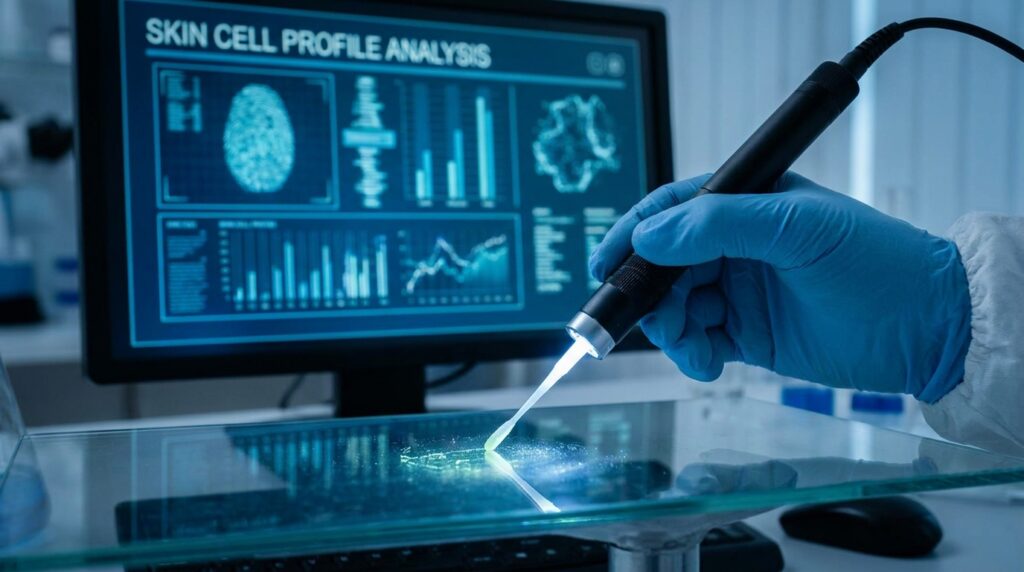
The Touch DNA Revolution: Extracting Profiles from Invisible Skin Cell Deposits

For decades, the presence of biological evidence at a crime scene was measured by what could be clearly seen with the naked eye. Investigators scoured surfaces for distinct, visible stains of body fluids—primarily blood, saliva, or semen. If an offender was careful enough not to bleed or leave behind clear fluid traces, the physical linkage … Read more
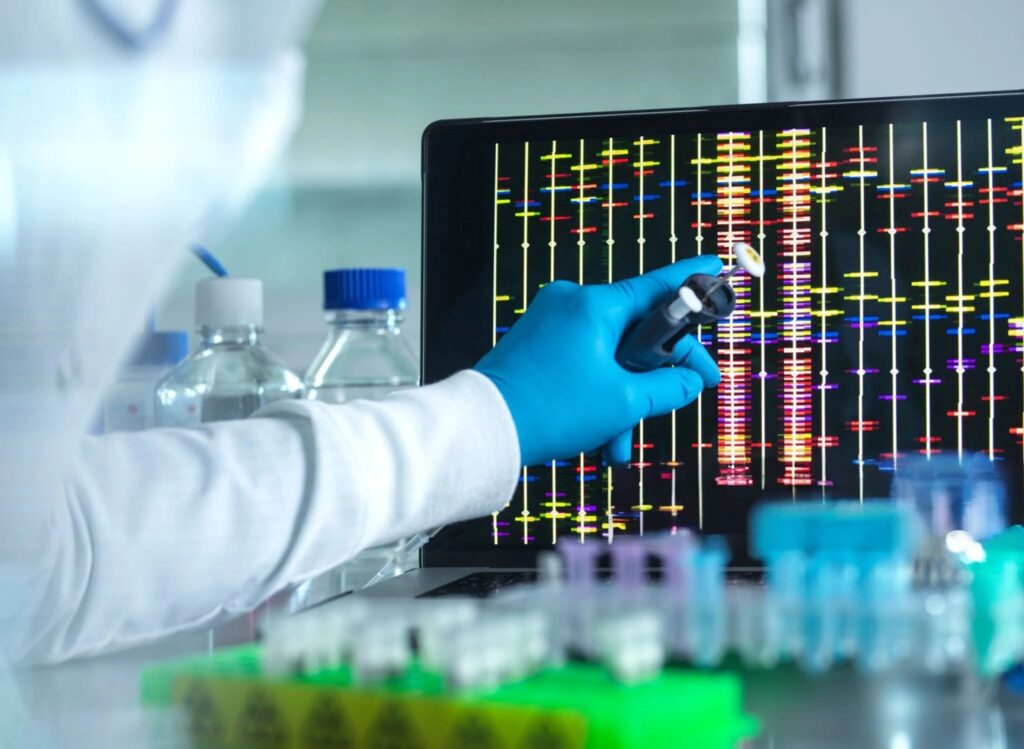
Beyond CODIS: How Investigative Genetic Genealogy is Cracking Decades-Old Cold Cases

For decades, forensic DNA profiling was viewed as the ultimate mathematical absolute in criminal justice. If a perpetrator left biological material at a crime scene, law enforcement could isolate the sample, run it through a database, and wait for a match. But for thousands of cold cases dating from the 1960s through the early 2000s, … Read more